The Asanas
The Asanas
Hatha Yoga
Hatha is the science of Yoga. Translated Hatha is a Sanskrit word combined of two dualities sun and moon, Ha – sun, Tha- moon. It makes sense then that Hatha was the word for the science of ‘yoga’ or to join sun and moon, light and dark, male and female energies. To unite these two polar opposites would then, in fact, bring you to a state of wholeness.
1.Look at the asanas in detail below. Practice each asana. It is especially important to look at each focus and benefit to help to establish your knowledge to teach and why you are teaching each posture.
Tadasana – Mountain Pose
|
||
| Benefits | Bringing awareness to the mind, body and practice | |
| Modifications | Pregnancy option – feet hip width apart
|
|
| Contraindications | N/A | |
| Drishti | Straight ahead | |
| Focus | Grounding posture -Muladhara chakra | |
Utkatasana- Powerful (squat) pose
|
||
| Benefits | Assists digestion, elimination, body alignment, stretches Achilles, strengthens back muscles and thighs | |
| Modifications | Pregnancy option – feet hip width apart, hands at sternum in Anjali mudra to reduce back strain
|
|
| Contraindications | N/A | |
| Drishti | Straight ahead or to the thumbs | |
| Focus | Grounding posture – Muladhara chakra | |
Uttanasana- Standing Forward fold
|
||
| Benefits | Increases energy, peace of mind, depression, stretches spinal column. Hamstrings, massages and tones abdominal organs and kidneys | |
| Modifications | Feet wider, bent knees, hand support on thighs, blocks
|
|
| Contraindications | HBP, lower back compressed discs, moving up slowly if LBP | |
| Drishti | Along nose, toward the navel | |
| Focus | Grounding posture – Muladhara chakra | |
Chandrasana- Crescent moon pose
|
||
| Benefits | Stretches and tones hips and legs, increases blood to pelvic area, can help sciatica, improves elimination by gently squeezing the colon | |
| Modifications | Use of blanket for under the knee
|
|
| Contraindications | Knee injury, lumbar pain | |
| Drishti | Straight ahead | |
| Focus | Anahata chakra | |
Utthita Trikonasana – Extended triangle pose
|
||
| Benefits | Lateral stretch of the spine, increases shoulder and hip flexibility, firms and tones the legs, gives a gentle squeeze to liver and spleen | |
| Modifications | Use a block or a wall
|
|
| Contraindications | Lower back pain | |
| Drishti | Upward | |
| Focus | Anahata chakra | |
Padottanasana – Wide legged forward bend pose
|
||
| Benefits | Balances nervous system, rich blood supply to brain, improves concentration, can be used as a counter pose, stretches hamstrings, erector spinae, gluteals, adductors, | |
| Modifications | HBP – halfway fold, use a chair or block, bend knee slightly
|
|
| Contraindications | HBP, sinusitis, herniated disc, vertigo | |
| Drishti | Straight ahead (neck in neutral alignment) | |
| Focus | Sahasrara chakra | |
Please see Appendix at the end of this module for visual ideas for use of Props and modifications that can assist you in this section. |
||
Virabhadrasana 1 and 2- Warrior 1
Warrior 2
|
||
| Benefits | Tones and strengthens legs, core, back, ankles, knees, improves balance and coordination | |
| Modifications |   |
|
| Contraindications | Weak heart, HBP | |
| Drishti | 1 – hands, 2 – front hand | |
| Focus | Muladhara chakra | |
Garudasana- Eagle Pose
|
||
| Benefits | Improves mental focus, circulation to joints, lymphatic flow, muscles in legs and ankles, balance | |
| Modifications |  |
|
| Contraindications | Broken/sprained ankle | |
| Drishti | Straight ahead | |
| Focus | Muladhara chakra | |
Vrkasana- Tree pose
|
||
| Benefits | Strengthens legs, ankles, feet, improves balance, concentration, develops back, torso and abdominal muscles, external rotation of hip and stretching of spinal column | |
| Modifications |  |
|
| Contraindications | Use variations for knee, hip, or ankle injury | |
| Drishti | Straight ahead | |
| Focus | Ajna chakra | |
Natarajasana- Dancers pose
|
||
| Benefits | Balance training, proprioception, stretches and strengthens hamstrings, quadriceps, gluteals, pectoralis major and deltoids | |
| Modifications |  |
|
| Contraindications | Knee, ankle, or shoulder injury (modify) | |
| Drishti | Along the front hand | |
| Focus | Ajna chakra | |
Adho Mukha Svanasana- Downward facing dog
|
||
| Benefits | Stretches and relaxes the spine, increases flexibility in hamstrings, calves, shoulders, spine, nourishes brain, increased blood supply to facial tissues, brain, improves concentration, helps insomnia, rests digestive system, gently massages the liver and spleen. (benefits of a forward fold as well as an inverted posture) | |
| Modifications |  |
|
| Contraindications | HBP | |
| Drishti | Eyes towards navel | |
| Focus | Manipura and Sahasrara chakra | |
Chaturanga Dandasana – Four limbed staff pose
|
||
| Benefits | strengthens triceps, legs, abdominals, rhomboids, transverse abdominus (full body integration) | |
| Modifications | ||
| Contraindications | serious back problems, HBP, Heart condition, shoulder injury, wrist injury | |
| Drishti | along the nose, spine aligned | |
| Focus | Manipura chakra | |
Bhujangasana – Cobra pose
|
||
| Benefits | aids digestion, flatulence, expands chest, frees throat area, stretches abdomen, strengthens back and glutes, increases flexibility in spine, revitalizes kidneys and adrenals, increases blood supply to the spine and nerves. | |
| Modifications | ||
| Contraindications | hernia, ulcer, hyperthyroidism, pregnancy | |
| Drishti | straight ahead (neck in neural alignment) or toward ajna chakra if looking upward | |
| Focus | Svadhistana chakra | |
Urdhva Mukha Svanasana – Upward facing dog pose
|
||
| Benefits | Strengthens triceps and shoulders, mobilizes thoracic spine and all of the above. | |
| Modifications | ||
| Contraindications | hernia, ulcer, hyperthyroidism, pregnancy | |
| Drishti | straight ahead (neck in neural alignment) or toward Ajna chakra if looking upward | |
| Focus | Svadhistana chakra | |
Balasana – Child pose
|
||
| Benefits | soothing effect on the body and mind, entire spine relaxation, calms nervous system | |
| Modifications |  |
|
| Contraindications | HBP/ heart condition, eye problem, sinusitis | |
| Drishti | along the nose or eyes closed toward Ajna | |
| Focus | Ajna chakra | |
Marjariasana – Cat pose
|
||
| Benefits | mobility of the entire spine, flexibility of neck, shoulders, and thorax. With breath/ body awareness it directs prana into sushumna, to awaken and cleansing the chakras. It also tones female reproductive system and relieves menstrual cramps. This is a closed chain sequence that is beneficial for back care* | |
| Modifications | ||
| Contraindications | knees (see modifications) whiplash, neck injury | |
| Drishti | follow nose and third eye | |
| Focus | Svadhistana chakra | |
Eka Pada Ragakapotasana – One legged pigeon pose
|
||
| Benefits | stretches groin, hamstring, hip flexor, gluteals’, abdomen, increases flexibility in spine, opens thoracic and ribcage | |
| Modifications |   |
|
| Contraindications | knee inflammation/injury, lumbar injury | |
| Drishti | ahead | |
| Focus | Anahata and Manipura chakra | |
Padmasana – Lotus pose
|
||
| Benefits | increases awareness, calms mind, opens hips, improves posture and sitting endurance, increases flexibility in joints, restores energy. | |
| Modifications | cross legged (siddhasana), ½ padmasana,
|
|
| Contraindications | varicose veins, knee joint injury | |
| Drishti | along nose | |
| Focus | Ajna chakra - awareness, clarity | |
Baddha Konasana – Bound angle pose
|
||
| Benefits | increases mobility in hips, relieves tension in sacrum, coccyx, thighs, knees, ankles. Improves posture and sitting endurance, strengthens gluteus medius, whilst stretching adductors. | |
| Modifications | ||
| Contraindications | slipped disc (do not lean forward), SIJ separation. | |
| Drishti | straight ahead | |
| Focus | Muladhara chakra (grounding posture) | |
Gomukhasana – Cow faced pose
|
||
| Benefits | induces relaxation, alleviates tiredness, tension, and anxiety. It relieves backache, sciatica, rheumatism and general stiffness in the shoulders and neck. Improves posture by increasing energy, awareness, and general opening of the chest area. It alleviates cramps in the legs and improves mobility of hips. *The hand bind helps to lock mulabandha (root lock) redirecting apana (downward flowing prana) upward through sushumna (central nadi) | |
| Modifications |  |
|
| Contraindications | ||
| Drishti | closed eyes (Ajna focus) or straight ahead | |
| Focus | on respiration and Ajna or Anahata chakra | |
Upavista Konasana – Wide legged forward fold
|
||
| Benefits | stretching hamstrings, adductors, relaxation of the back, mobility in hip joints, massages, and tones abdominal and pelvic region, including pancreas, liver, spleen, kidneys, adrenals. Stimulates circulation to the nerves and muscles of the spine | |
| Modifications |  |
|
| Contraindications | slipped disc, hernia | |
| Drishti | along nose (keeping neck in neutral alignment) | |
| Focus | Muladhara and Svadhistana chakra | |
Dandasana – Staff pose
|
||
| Benefits | stretches hamstrings, strengthens quadriceps, promotes good posture, core activation and alignment. Improves focus and concentration. Strengthens pelvic floor (when pelvic floor is activated) A good preparation for sitting postures | |
| Modifications |  |
|
| Contraindications | ||
| Drishti | straight ahead | |
| Focus | Muladhara chakra | |
Paschimottanasana – Seated forward bend pose
|
||
| Benefits | stretches hamstrings, strengthens quadriceps, promotes good posture, core activation and alignment. Improves focus and concentration. Strengthens pelvic floor (when pelvic floor is activated) Nourishes nerve networks, calming, fresh blood supply to pelvic region and reproductive organs. Tones abdominal organs. Full back of body stretches. |
|
| Modifications |  |
|
| Contraindications | ||
| Drishti | straight ahead | |
| Focus | Muladhara chakra | |


Ardha Matsyendrasana – Half spinal twist pose (Lord of the fish pose)
|
|
| Benefits | aligns spine, spine rotation mobility, relieves backache, massages liver and spleen, gently tones digestive organs. A detoxing asana, beneficial for body and mind. |
| Modifications |  |
| Contraindications | not after 1st trimester of pregnancy |
| Drishti | along nose |
| Focus | Anahata chakra |
Setu bandha sarvangasana – Supported bridge pose
|
|
| Benefits | realignment of spine, eliminates round shoulders, relieves backache, massages and stretches the colon and abdominal organs, improves digestion. It tones the female reproductive organs and management of menstrual disorders, prolapse, asthma, various bronchial and thyroid conditions |
| Modifications |  |
| Contraindications | stomach ulcer, abdominal hernia, pregnancy can be modified by not lifting to high off the ground or use of a block. |
| Drishti | along the nose |
| Focus | Visshudhi or Anahata chakra |
Matsyasana – Fish Pose
|
|
| Benefits | stretches intestines and abdominal organs and is useful for abdominal ailments to remove constipation, (drink 3 glasses of water and then perform this asana) It relieves piles, good for respiration, asthma, bronchitis, encourages deeper breathing. Regulates the function of the thyroid and stimulates the thymus, boosting the immune system. Encourages an increased blood supply to the pelvic region (away from the legs) which increases vitality and youthfulness |
| Modifications |  |
| Contraindications | heart disease, stomach ulcers, hernia, back conditions or serious illness, pregnancy |
| Drishti | Ajna chakra |
| Focus | Manipura, Vishuddhi and/or Ajna chakra |
Salamba sirsasana – supported headstand
|
|
| Benefits | very powerful for awakening Sahasrara chakra and considered the greatest of all asanas. Revitalizes the entire body and mind. It relieves anxiety and other psychological disorders which form many disorders; such as asthma, hay fever, diabetes, menopausal imbalance. It rectifies many nervous and glandular disorders, especially related to the reproductive system. Reverses the effect of gravity on the body, strain is alleviated from the back and the reversed flow of blood in the legs and visceral organs aids tissue regeneration. Encourages deep exhalation, removing larger amounts of CO2 from the lungs |
| Modifications | |
| Contraindications | neck problems, migraine, headache, sinusitis, hbp, heart disease, thrombosis, chronic constipation, kidney problems, impure blood, weak blood vessels, inflammation of the ears, haemorrhage in the head, pregnancy and during menstruation |
| Drishti | straight ahead |
| Focus | Sahasrara chakra |
Savasana – Corpse Pose
|
|
| Benefits | deep relaxation of the whole psycho-physiological system, develops body awareness, increasing mind awareness and developing pratyahara |
| Modifications |  |
| Contraindications | pregnancy after 24 weeks |
| Drishti | eyes closed – Ajna chakra |
| Focus | Ajna chakra |


Below is a link to practice the pronunciation of each of your asanas you have learnt in this module. I have given you space in between each one to repeat after me.
A requirement of your assessment this week is to voice record yourself saying each of the Sanskrit asanas on our list and sending it through to me. https://youtu.be/rubzlw8uMmw
| Some Modifications and use of props below. | *Practice modifying poses when you sequence your class, so that you have a ‘bag of tools’ for your students. |
 |
 |
| Tadasana – feet apart to assist balance and during pregnancy | Uttanasana – use of a block for tight hamstrings and support for lower back |
 |
 |
| Utkatasana – feet hip distance apart during pregnancy | Uttanasana – knees bent for tight hamstrings to encourage the movement from flexion of the hips |
 |
 |
| Utkatasana – hands in prayer position for shoulder injury and lower back weakness | Uttanasana – feet hip distance during pregnancy or for assisting balance |
 |
 |
| Chandrasana – folded blanket for cushioning the back knee | Chandrasana – Hands in anjali mudra to support shoulder injury |
 |
 |
| Virabhadrasana 1 – hands in anjali mudra for shoulder or lower back injury | Virabhadrasana 2 – hands in anjali mudra for rotator cuff/shoulder injury |
 |
 |
| Trikonasana – use of block to stabilise and support tight hamstrings | Padottanasana – hands on blocks if the floor is too far away (tight hamstrings and adductors) |
 |
 |
| Vrkasana – Toe stays on floor for supporting balance | Garudasana- elbows, forearms and hands come together rather than wrapping for tight upper back. Lifted leg, foot stays on the ground for balance support |
 |
 |
| Natarajasana – facing the wall and holding it for balance support | Natarajasana – using a yoga strap to assist reaching the foot |
 |
 |
| Upavista konasana – seated on a block to take pressure of hamstrings, to encourage the correct sitting posture | Virasana – sitting on two blocks to take pressure out of the knee joints and ankles |
 |
 |
| Gomukhasana – sitting on one block for reduced hip range and using a yoga strap for hand bind | Dandasana and Passchimottanasana- sitting on a block to support tight hamstrings and lower back. Yoga strap for support in sitting and to ‘reach the toes’ |
 |
 |
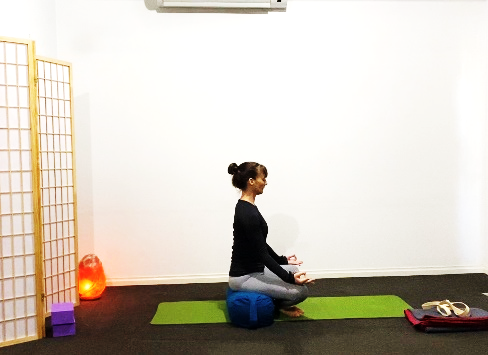
| Ardha matsyendrasana – sitting on a block for postural alignment through spine (if hamstrings are tight) | Siddhasana – sitting on the edge of a folded blanket for improved postural alignment of the spine |
 |
 |
| Siddhasana – A bolster can also be used for added height | Matsyasana – the use of a bolster for support and body awareness of this pose (also a good prop to be used for yin practice) |
 |
 |
| Matsyasana – You can also add a block or pillow under the head if the neck requires more support | Setu bandha sarvangasana – a bolster or block can be used to have more support, especially in pregnancy or yin class |
 |
 |
| Eka pada ragakapotasana – a block under the front thigh can take pressure out of the front knee and help with ‘squaring the hips’ | Balasana – a folded blanket between the calf muscles and thighs can take pressure out of the knees and ankles |
 |
 |
| Halasana – a folded blanket under the shoulders supports the alignment of the spine with less pressure on the neck | Supta padahastasana – yoga strap around foot for tight hamstrings and opposite knee bent to support the lower back |
 |
 |
| An interesting pose that you might like to try stretching the hamstrings and placing the strap just below the skull to lengthen the back of the neck (please note that the chin is tucked in here) | Dandasana – legs up the wall can be a modification to support the lower back while passively stretching the back of the body |
 |
 |
| Eka pada ragakapotasana – using the wall as a prop to lean on, the floor as support for the back. This is a good modification for sore knee, lower back and tight gluteals | Sarvangasana – using the wall to support the body in shoulderstand can take pressure out of the cervical spine and teach body awareness and alignment in the posture. (You then have the option of how high you lift the hips) |
 |
 |
| Trikonasana – not a modification, but a way to learn body alignment. (shoulder blades and hips are aligned with the wall | Adho mukha svanasana – Using the wall is a good modification for upper body weakness or injury, HBP, pregnancy or a gentler version of Downward facing dog. |
 |
 |
| Savasana – A bolster under knees to encourage the lower back to rest on the floor and feel more supported | Upavista konasana – using the wall is a great modification for tight adductors and hamstrings without the strength required in the seated version. |

